Why Body Contouring Farmington Hills Is Growing in Popularity
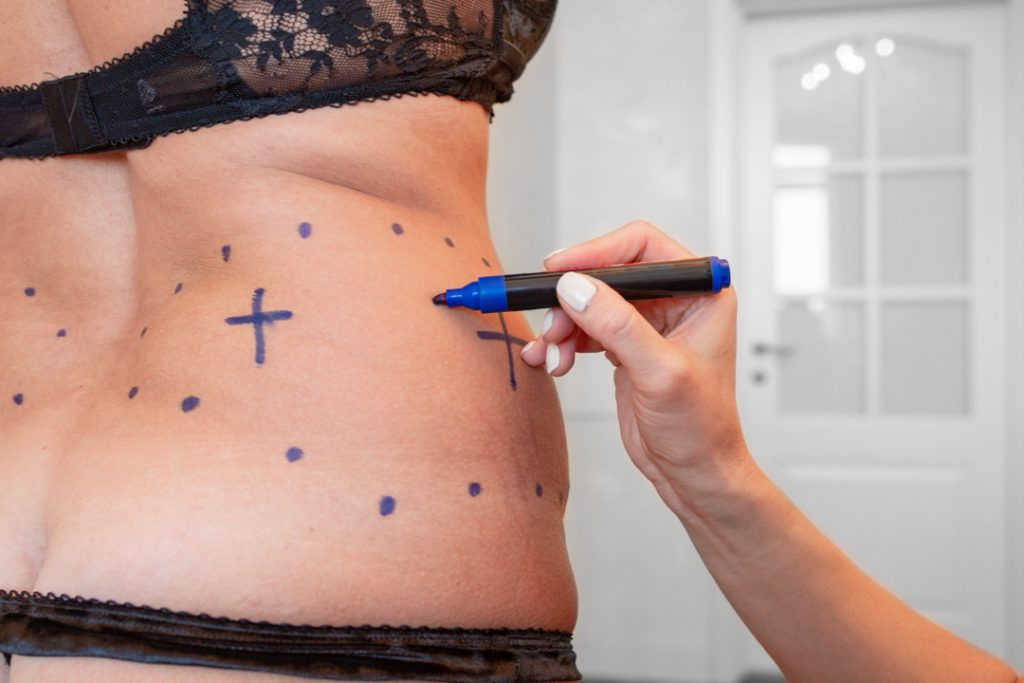
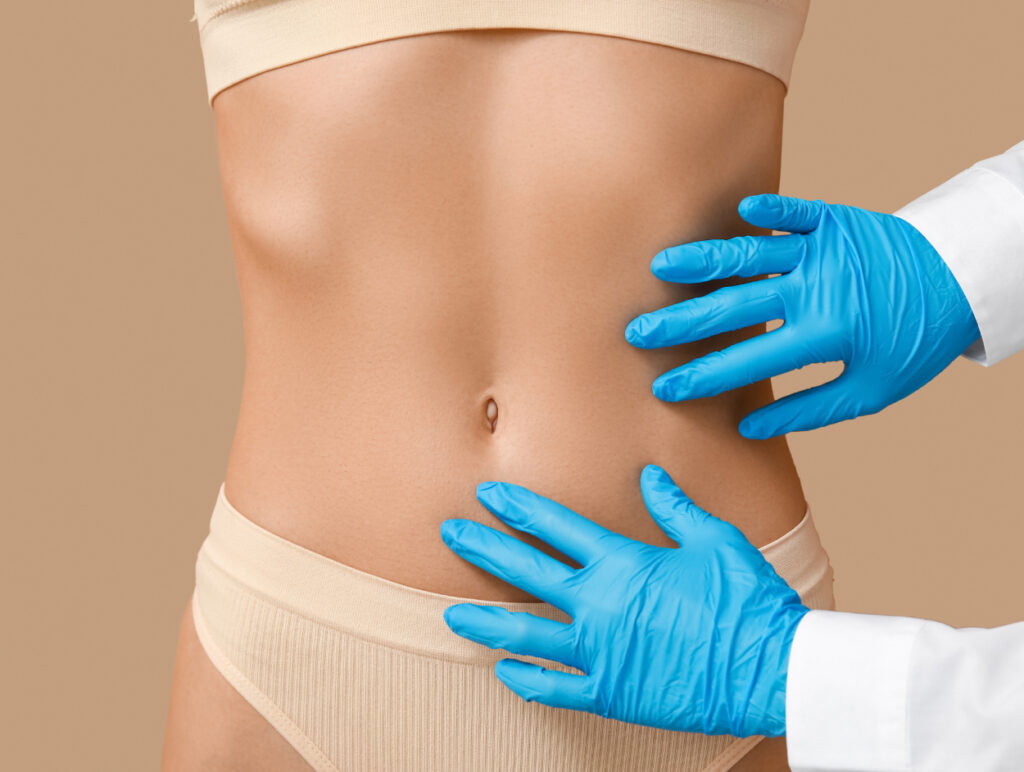
The rise in interest around body contouring is not hard to understand, especially in communities where people want visible results without the downtime, scars, and recovery demands that come with surgery. In Farmington Hills, that interest has become especially noticeable. Patients are asking more informed questions, clinics are offering more specialized treatment plans, and the conversation has shifted from quick fixes to thoughtful, customized shaping.
Body contouring used to mean one thing to most people: surgery. Now the category is much broader. It includes non-surgical and minimally invasive treatments designed to reduce stubborn pockets of fat, tighten skin, improve silhouette, and refine areas that do not respond the way someone hoped after diet and exercise. For many residents, that middle ground is exactly what makes these treatments appealing. They are not looking for a dramatic, overnight transformation. They want measured improvement that fits into a real life with work, school schedules, family obligations, and social commitments.
That practical mindset is one of the main reasons Body Contouring Farmington Hills is gaining traction. The treatments fit how people actually live.
A shift from weight loss to body refinement
One of the biggest changes in aesthetic medicine over the last several years is the way patients describe their goals. Fewer people come in saying they want to lose a certain number of pounds through a cosmetic treatment. More often, they talk about shape. They point to the lower abdomen that still feels soft after years of exercise, the flanks that make clothing fit awkwardly, or the inner thighs that have changed after pregnancy or midlife weight fluctuation.
This distinction matters. Body contouring is not a substitute for overall weight management. Most reputable providers make that clear early. What it can do, in the right candidate, is target resistant areas that stay behind even when someone is doing many things right.
In a place like Farmington Hills, that message lands well because people tend to approach health and appearance with a practical lens. They are not necessarily chasing extremes. Many want to look more like themselves at their best, not like somebody else. A smoother waistline under work clothes, a more defined jawline in photos, or improved contour after significant weight loss can feel meaningful without being flashy.
That mature, realistic expectation often leads to better satisfaction. Patients who understand the difference between fat reduction, skin tightening, and muscle toning are more likely to choose the right treatment and stay happy with the outcome.
Why busy professionals are paying attention
Convenience plays a larger role than many clinics admit. A treatment may be effective, but if it requires a week away from work or obvious recovery signs, many adults simply will not consider it. Farmington Hills has a large population of professionals, business owners, healthcare workers, parents managing packed calendars, and adults who cannot disappear for recovery.
Non-surgical body contouring appeals to that reality. Many treatments are performed in an office setting. Sessions may take less than an afternoon. Some involve little to no downtime, which means a patient can return to meetings, errands, or school pickup the same day. That does not mean every option is effortless, or that results happen instantly. It means the disruption is often much smaller than with surgery.
This matters more than marketing language suggests. People do not just evaluate the procedure. They evaluate the ripple effect. Will they need help at home? Can they exercise that week? Will they be bruised at an event? Can they drive themselves? Practical questions like these often determine whether someone books a consultation at all.
In many cases, body contouring wins because it feels manageable. That sense of manageability lowers the barrier to entry for patients who may have thought aesthetic treatment was not realistic for their schedule.
Better technology has made the category more credible
Popularity often follows better outcomes. Early generations of non-surgical contouring created a lot of curiosity, but they also generated uneven expectations. Some treatments were oversold. Some patients were poor candidates. Some providers did not spend enough time explaining that visible improvement could take weeks or months.
The field has matured. Technologies now target fat, skin laxity, and tissue support in more specific ways. Cooling-based systems, radiofrequency devices, ultrasound-based options, injectable fat-dissolving approaches for limited areas, and muscle stimulation treatments all serve different purposes. A skilled provider does not treat https://rylanrvrp296.zenbloomer.com/posts/understanding-the-process-of-body-contouring-farmington-hills these as interchangeable. They match the technology to the anatomy and the patient’s goal.
That distinction has helped Body Contouring Farmington Hills gain legitimacy. Patients are hearing more nuanced recommendations, and that improves trust. Someone with a small fat pocket under the chin may do well with one type of treatment. Someone with loose skin after weight loss may need a very different plan, or may be told that surgery would provide a better result. Honest case selection is part of what drives long-term demand. When patients feel they were guided appropriately rather than sold a package, they talk about it.
Word-of-mouth still matters tremendously in aesthetic medicine. A friend saying, “It did not change my life, but it absolutely made my clothes fit better,” can be more persuasive than any advertisement. That kind of moderate, believable endorsement is one reason the category keeps growing.
The post-weight-loss and post-pregnancy audience is a major factor
Not everyone seeking contouring is starting from the same place. Some people are at a stable weight and simply want to refine a small area. Others have gone through a major body change, and that creates a different kind of need.
After weight loss, the body does not always settle evenly. The scale may reflect huge progress, but the mirror can still show irregular contour, isolated fullness, or skin laxity in spots like the abdomen, upper arms, thighs, and bra line. Pregnancy can produce a similar disconnect. A patient may return close to her pre-pregnancy weight but still feel that her midsection looks and feels different.
These are not superficial complaints. They often affect comfort, confidence, and wardrobe choices. It is common for someone to say they are proud of the work they have done but frustrated by the last 10 percent. Body contouring often lives in that space. It is not replacing healthy habits. It is addressing what those habits could not fully resolve.
Providers in Farmington Hills are seeing more of these patients, particularly adults in their thirties, forties, and fifties who want thoughtful correction without committing immediately to a surgical procedure. Some later choose surgery. Others find that non-surgical treatment gives them enough improvement to feel at ease again. Both outcomes are valid.
Social visibility has changed the way people seek treatment
The way people evaluate their appearance has changed. Video calls, smartphone photos, gym mirrors, social media, and a general increase in visual self-awareness have made subtle body concerns more noticeable. This is not always a healthy trend, and responsible practices should be careful not to amplify insecurity. Still, it would be unrealistic to pretend it has no effect.
A person who sees their profile on camera every day may become more aware of fullness under the chin. Someone trying on fitted clothing for a wedding or work event may focus more on the waistline or upper arms than they did ten years ago. These observations do not automatically mean treatment is necessary, but they often prompt a consultation.
What has changed in recent years is that the consultation itself feels more approachable. People no longer assume aesthetics is only for celebrities or for people pursuing dramatic cosmetic change. Many simply want a polished, rested, or more proportionate version of their current shape. When providers speak openly about realistic improvement rather than perfection, patients are more comfortable exploring options.
That shift has contributed to the steady rise of Body Contouring Farmington Hills. The stigma is lower, and the average patient is often more informed than people expect.
Patients are asking better questions, and that is a good sign
A strong consultation today sounds different from one a decade ago. People want specifics. They ask how many sessions are typical, when they might see change, whether results are permanent, what happens if their weight fluctuates, and whether a treatment helps with skin or only fat. Those are exactly the right questions.
The growth in popularity is not just about demand. It is also about discernment. More patients understand that body contouring is not one category with one outcome. A treatment that reduces subcutaneous fat may do very little for loose skin. A device that stimulates muscle contractions may improve tone but will not remove a significant fat bulge. Some abdominal fullness is related less to fat and more to posture, muscle separation, bloating, or deeper internal fat that non-surgical treatments cannot address.
Good providers spend a lot of time sorting through those distinctions. In my experience, the most satisfied patients are often not the ones who chase the longest menu of services. They are the ones who hear a clear explanation of what their concern actually is. Sometimes the best consultation ends with, “This may not be the right treatment for you,” and that kind of honesty tends to build a stronger local reputation than aggressive sales ever could.
What people are usually treating
Although treatment plans vary, some areas come up repeatedly in consultations for Body Contouring Farmington Hills:
- abdomen and lower belly
- flanks, often called love handles
- inner and outer thighs
- upper arms
- area under the chin
These are classic “stubborn zones” because they often hold onto fullness despite changes in diet and exercise. They are also areas where even a modest reduction can change the way clothing fits. A half-inch to inch of visible improvement in the right place can matter more to a patient than a bigger numerical change somewhere less noticeable.
The appeal of gradual, natural-looking change
A striking result has its place, but many patients prefer outcomes that do not invite questions from coworkers or acquaintances. That is another reason non-surgical contouring continues to grow. Results tend to unfold over time, often as the body processes treated fat or remodels tissue gradually. For the right patient, this can be a benefit rather than a drawback.
Gradual change feels more private. It can also look more believable. Instead of an abrupt shift in appearance, the person simply seems leaner, firmer, or better proportioned over several weeks. That pacing fits the preferences of many adults in established professional and social circles.
There is a practical side to this too. Gradual improvement gives the patient room to evaluate whether they want additional sessions or whether the first round already met their goal. Not everyone wants maximal change. Some are relieved by a modest correction. Others start conservatively and build from there. That flexibility is harder to achieve with one-time surgical intervention.
Cost is part of the conversation, but not always in the way people assume
Body contouring is not inexpensive, and cost deserves plain discussion. However, what many patients are really evaluating is not only price. They are weighing value against recovery, risk, convenience, and expected outcome.
For someone considering surgery, the comparison may include operating room fees, anesthesia, time off work, post-operative garments, help at home, and a longer healing timeline. A non-surgical option may involve multiple sessions and still add up to a meaningful investment, but the overall burden can feel lower. For a patient who wants visible improvement without surgical commitment, that trade-off often makes sense.
For another patient, especially one with more extensive skin laxity or larger treatment goals, non-surgical options may become less cost-effective if the likely improvement is limited. This is where honest consultation matters again. Popularity rises when patients feel they were steered toward the treatment that genuinely fits their needs, not the one that is easiest to sell.
Choosing the right provider matters more than the device
A familiar mistake is shopping only by brand name. Patients hear about a device online and assume the machine alone determines success. In reality, technique, assessment, and judgment often matter just as much.
A provider should be able to explain whether your concern is mainly fat, skin laxity, muscle tone, cellulite, or a combination. They should discuss how many sessions are commonly needed, what discomfort to expect, and what realistic improvement looks like for someone with your starting point. They should also be willing to tell you when a treatment is unlikely to deliver enough change.
Several signs usually separate a thoughtful practice from a transactional one:
- the consultation includes a careful physical assessment, not just photos
- results are described in ranges, not guarantees
- the provider discusses who should not get the treatment
- recovery and side effects are explained plainly
- before-and-after examples reflect patients with similar concerns, not unrelated cases
That level of care is one reason local demand can keep building. When patients feel safe and informed, they tend to return for maintenance or additional areas, and they are more likely to refer others.
Realistic expectations are fueling, not limiting, growth
There is a common assumption that popularity in aesthetics is driven by hype. In some corners, that is true. Yet body contouring often grows precisely because expectations have become more grounded.
Patients increasingly understand a few key realities. Non-surgical contouring can improve shape, but it does not replace a healthy lifestyle. Results vary by anatomy. Weight gain after treatment can blunt the outcome. Skin that has lost significant elasticity may need a different approach. Some people will need more than one modality to get where they want to go.
Surprisingly, those caveats do not necessarily discourage interest. They can actually strengthen it. People are more willing to invest when the process sounds honest. A treatment described as “helpful for the right person” feels more trustworthy than one advertised as effortless and universal.
In Farmington Hills, where patients often come in well researched and ready to compare options, that honesty goes a long way. The market rewards providers who set clear expectations and deliver incremental but meaningful change.
Why this trend is likely to continue
The reasons behind the popularity of Body Contouring Farmington Hills are not temporary. They reflect larger, durable shifts in medicine and consumer behavior. People want procedures that fit into normal life. They want visible improvement with less disruption. They want more choice between doing nothing and having surgery. They also want providers who understand that confidence is personal, not one-size-fits-all.
As technologies continue to improve and consultations become more sophisticated, the category will likely keep expanding. That does not mean every person is a candidate, or that every treatment is equally effective. It means the options are now broad enough to meet a wider range of goals than before.
For some, body contouring is about reclaiming definition after weight loss. For others, it is a way to address one stubborn area that has bothered them for years. For many, it is simply a practical decision: they want measured improvement, minimal interruption, and guidance they can trust.
That combination is powerful. It explains why interest is rising, and why it is not just a passing aesthetic trend in Farmington Hills. It is part of a larger shift toward personalized, realistic cosmetic care, where the best results are not the most dramatic ones, but the ones that fit the patient’s life.
Aesthetic Plastic Surgery & Laser Center, Michelle Hardaway M.D.
Address: 27920 Orchard Lake Rd, Farmington Hills, MI 48334
Phone number: +12482211957
FAQ About Body Contouring Farmington Hills
What does body contouring actually do?
Body contouring (or body sculpting) eliminates stubborn localized fat, tightens loose, sagging skin, and reshapes your silhouette. It is not a weight-loss tool, but rather a cosmetic procedure used to refine and tone specific trouble spots after major weight loss, pregnancy, or aging.
How much does body contouring usually cost?
The total cost of body contouring usually ranges from $2,000 to $25,000+ depending entirely on whether you choose non-surgical sessions or major surgical procedures.
Because "body contouring" covers everything from simple fat-freezing to comprehensive post-weight-loss surgeries, pricing is heavily categorized by the method used.
What is the best type of body contouring?
Liposuction is a huge topic and worth discussing in more detail, but in terms of body contouring and sculpting, nothing does the job better than liposuction, particularly VASER liposuction.